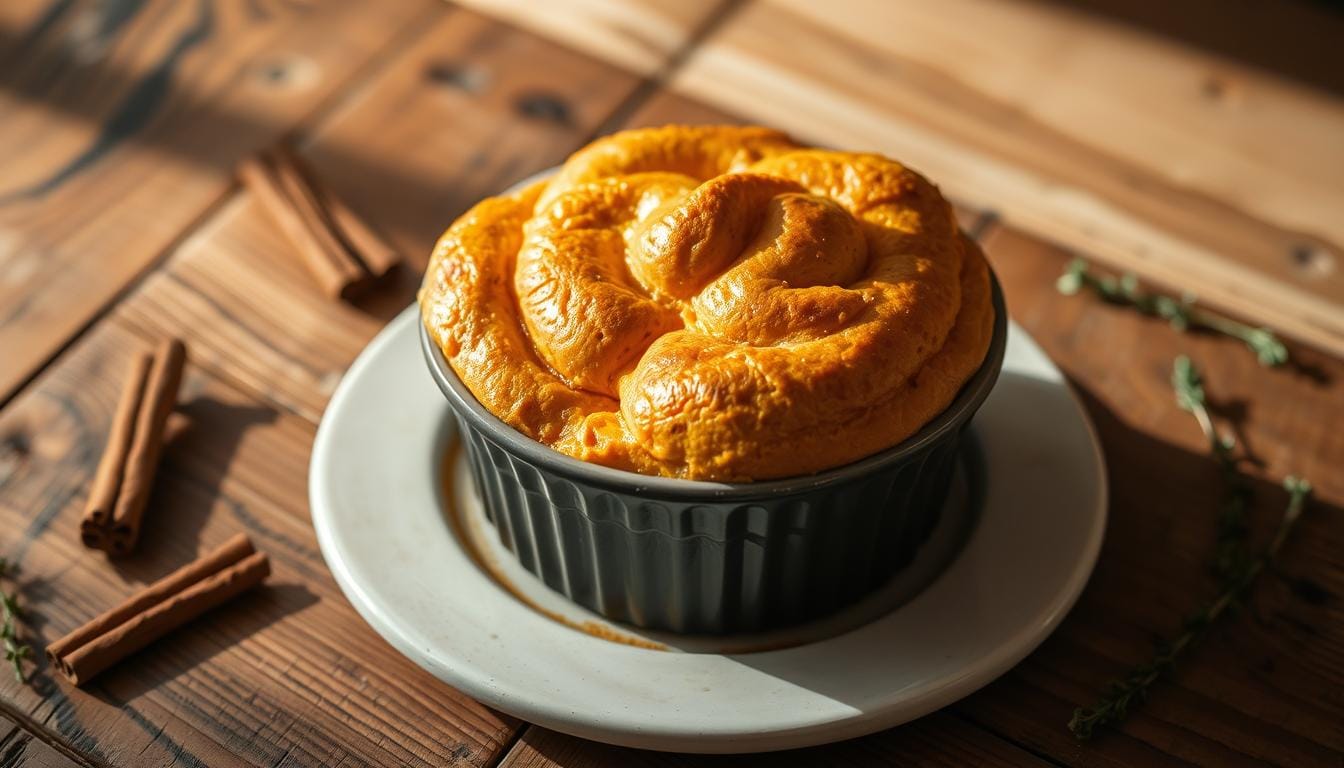
Sweet Potato Souffle vs. Casserole: The Secret to Its Airy Texture
Few dishes evoke the warmth and comfort of Southern hospitality quite like a Southern Sweet Potato Souffle. This culinary gem, cherished across generations, transcends a mere side dish, offering a harmonious blend of sweet and savory flavors wrapped in an irresistibly smooth, airy texture. Often appearing as the golden star of holiday tables from Thanksgiving to Christmas, the sweet potato souffle holds a unique place in the hearts of food enthusiasts. Yet, its name sometimes leads to confusion, with many mistaking it for its heartier cousin, the sweet potato casserole. The truth, however, lies in a fundamental difference in technique and texture, a secret that unlocks its signature cloud-like consistency.
At its core, a truly authentic sweet potato souffle is a testament to culinary elegance. It transforms humble root vegetables into a sophisticated, light, and utterly satisfying masterpiece. Unlike a denser casserole, the hallmark of an exceptional sweet potato souffle is its delicate lift and ethereal mouthfeel. This article will delve into the distinct characteristics that set the sweet potato souffle apart, uncover the simple yet profound secret behind its airy texture, and provide insights to help you master this timeless dish in your own kitchen.
Deciphering the Delicacy: What Makes a Sweet Potato Souffle Unique?
The allure of the easy sweet potato souffle extends far beyond its vibrant hue. It's a dish steeped in tradition, particularly in the American South, where food is deeply intertwined with family, celebration, and heritage. Each spoonful of a well-made sweet potato souffle carries the essence of this legacy, blending the creamy richness of perfectly mashed sweet potatoes with buttery, sugary notes that make it versatile enough to bridge the gap between a robust side dish and a decadent dessert.
Its popularity stems not only from its comforting flavor profile but also its adaptability. Cooks across the South often put their unique spin on this classic, adding a bright touch of orange zest, a whisper of vanilla, or a deeper warmth with brown sugar. While often crowned with a toasted pecan crust or a delicate caramelized top, the defining characteristic remains its incredible texture. The roasting process for the sweet potatoes themselves is crucial, as it concentrates their natural sugars, intensifying the caramel flavor that pairs exquisitely with the supporting cast of eggs, butter, and cream. When baked, the carefully prepared mixture puffs ever so slightly, creating a golden, slightly crisp exterior that yields to a tender, cloud-like interior. It’s an indulgent experience that manages to be rich without feeling heavy, making the sweet potato souffle a perfect companion for any occasion.
Souffle vs. Casserole: Unpacking the Fundamental Difference
The primary point of divergence between a sweet potato souffle and a sweet potato casserole lies in their structural integrity and, consequently, their texture. While both are beloved comfort foods starring the versatile sweet potato, the methodology behind a souffle aims for lightness and an upward rise, whereas a casserole typically embraces density and heartiness.
- The Sweet Potato Souffle: The Art of Airiness
The distinguishing feature of a sweet potato souffle is its characteristic light, ethereal texture and its noticeable puff during baking. The secret weapon in achieving this is the careful incorporation of whipped egg whites. In a sweet potato souffle recipe, egg yolks are typically blended into the rich, mashed sweet potato base, contributing to its creamy consistency and deep color. However, the separated egg whites are then whipped to stiff peaks, creating a stable foam that traps air. When these airy egg whites are gently folded into the sweet potato mixture, they become microscopic pockets of air. As the souffle bakes, the trapped air expands, causing the mixture to lift and swell, creating that signature cloud-like interior and delicate structure. This technique results in a dish that is wonderfully airy, elegant, and almost melts in your mouth. - The Sweet Potato Casserole: A Study in Comfort and Density
Conversely, a sweet potato casserole is generally denser and heartier. While it often includes eggs for binding and richness, they are typically incorporated whole or as yolks without the separate whipping of whites to achieve lift. Casseroles are often layered with various ingredients, such as crunchy pecan streusel toppings, marshmallows, or other mixed components, which tend to weigh the dish down rather than encourage it to rise. The focus is on a rich, substantial texture that is comforting and satisfying, making it a robust companion to a meal. While both are delicious, the sweet potato casserole serves as a grounding, flavorful counterpoint, rather than the delicate, sky-high elegance of a souffle.
Understanding this critical distinction in technique – the deliberate introduction and preservation of air through whipped egg whites – is the key to appreciating the unique charm and culinary finesse of the sweet potato souffle.
The Anatomy of an Airy Sweet Potato Souffle: Essential Ingredients and Techniques
Crafting the perfect airy sweet potato souffle is less about complexity and more about precision with simple, high-quality ingredients and a few fundamental techniques. The journey to that cloud-like texture begins long before the oven door closes.
Key Ingredients for Success:
- Fresh, Roasted Sweet Potatoes: This is non-negotiable. While boiling is quicker, roasting or baking sweet potatoes brings out their natural sugars, yielding a richer, deeper caramel flavor and a drier flesh. This reduced water content is crucial for a smooth, stable base that won't weigh down your whipped egg whites. Aim for fork-tender, slightly caramelized potatoes.
- Butter: Good quality unsalted butter adds luxurious richness and a silky mouthfeel to the sweet potato base.
- Sweeteners & Spices: Brown sugar offers depth and molasses notes, complementing the sweet potatoes beautifully. A touch of granulated sugar can enhance sweetness. Warming spices like cinnamon, nutmeg, and a pinch of ginger are quintessential, infusing the souffle with comforting aromatics. Vanilla extract is also a must for its universally appealing warmth.
- Dairy: A splash of heavy cream or milk contributes to the creamy texture, ensuring the base is smooth and indulgent without being too thick.
- Eggs: The Game Changer: This is where the magic happens. You'll need to separate the yolks from the whites. The yolks provide richness, color, and act as an emulsifier for a smooth base. The whites, however, are reserved for whipping to create the souffle's signature lift.
Mastering the Techniques:
- Perfect Puree: After roasting, ensure your sweet potatoes are mashed or pureed until incredibly smooth. Any lumps can hinder the delicate texture. A food processor or an electric mixer can achieve this best.
- Whipping Egg Whites to Stiff Peaks: This is the most crucial step. Start with clean, dry equipment – even a speck of grease can prevent whites from whipping properly. Whip egg whites at medium-high speed until they hold firm, glossy peaks. When you lift the whisk, the peaks should stand upright without drooping.
- Gentle Folding: Once the egg whites are whipped, they must be incorporated into the sweet potato base with extreme care. Use a rubber spatula and a gentle, upward folding motion, drawing the base over the whites to preserve as much air as possible. Avoid vigorous stirring, which will deflate the whites and result in a dense souffle. The goal is to combine just until no streaks of white remain.
- Baking Environment: Preheat your oven thoroughly. A consistent oven temperature allows the souffle to rise evenly and set properly. The heat causes the air trapped in the egg whites to expand, giving the souffle its characteristic puff.
By focusing on these fundamental ingredients and techniques, even beginner cooks can achieve a restaurant-quality, perfectly airy sweet potato souffle right at home. For a comprehensive guide to crafting this perfect holiday treasure, explore our article on Southern Sweet Potato Souffle: A Timeless Fluffy Holiday Treasure.
Beyond the Basics: Elevating Your Sweet Potato Souffle
While a classic sweet potato souffle is a masterpiece in its own right, there are numerous ways to customize and elevate this dish, making it truly your own. These subtle enhancements can deepen its flavor profile and add an extra layer of sophistication without compromising its signature airy texture.
Flavor Enhancements and Creative Twists:
- Citrus Zest: A finely grated zest from an orange or tangerine can inject a bright, zesty counterpoint to the sweetness of the potatoes, adding a sophisticated layer of flavor.
- Aromatic Extracts: Beyond vanilla, consider a hint of almond extract for a subtle nuttiness or even a few drops of maple extract to amplify the autumnal notes.
- Spiced Infusion: While cinnamon and nutmeg are standard, a pinch of allspice or even a very small amount of ground cloves can add complexity. For an unexpected kick, a whisper of fresh ginger, grated, can be delightful.
- A Touch of Spirit: For adult palates, a tablespoon or two of bourbon, rum, or Grand Marnier (to complement orange zest) can add a sophisticated depth to the sweet potato base. Ensure the alcohol is cooked off slightly before folding in the egg whites.
Toppings That Complement, Not Conquer:
When it comes to toppings for a sweet potato souffle, the goal is to enhance its appeal without weighing down its delicate structure. Unlike a casserole that can handle a thick streusel, a souffle benefits from lighter, more artfully applied garnishes:
- Toasted Pecans: Instead of mixing them heavily into the base, consider sprinkling toasted pecan pieces lightly over the top during the last 15-20 minutes of baking, or sprinkle them on after baking. This provides a delightful crunch without impeding the rise.
- Caramelized Brown Sugar Crust: A simple sprinkle of brown sugar over the top before baking will melt and caramelize, creating a beautiful, slightly crisp, and glistening crust.
- Light Marshmallow Swirl: If you love marshmallows, instead of a thick layer, try placing a few small marshmallows strategically on top during the final 5-10 minutes of baking. Watch carefully as they puff and brown to avoid burning.
These thoughtful additions ensure that your sweet potato souffle remains a light, elegant, and crowd-pleasing side dish or even a surprising dessert, perfect for any holiday feast or an elevated weeknight meal. And if you're looking for an effortless approach to this crowd-pleaser, don't miss our Easy Sweet Potato Souffle: Your Guide to a Crowd-Pleasing Southern Staple.
Conclusion
The sweet potato souffle is more than just a dish; it's a celebration of flavor, texture, and tradition. By understanding the fundamental distinction between a souffle and a casserole, particularly the crucial role of meticulously whipped egg whites, you unlock the secret to its unparalleled airy texture and delicate rise. This knowledge transforms the humble sweet potato into an elegant culinary creation that brings comfort and sophistication to any table. Whether you prefer a classic rendition or enjoy experimenting with nuanced flavor profiles, mastering the art of the sweet potato souffle promises a delightful experience, proving that simple ingredients, when handled with care and a touch of technique, can indeed create something extraordinary.
